
what is liquidity in forex 2026 : If you have spent some time learning forex trading, you’ve probably heard traders say, “Forex is very liquid.” what is liquidity in forex 2026: But what does liquidity in forex actually mean for your trades, your risk, and your profits?
Liquidity is one of the most important concepts in forex trading, yet many beginners ignore it. The truth is simple: a trader who understands liquidity already has an edge over most retail traders. In this article, we’ll explain what liquidity is in forex, why it matters, and how you can use it to trade smarter—using clear language, real examples, and practical tips.
What Is Liquidity in Forex?
what is liquidity in forex 2026 : Liquidity in forex refers to how easily a currency pair can be bought or sold without causing a major price change.
In simple terms:
- More buyers and sellers = high liquidity
- Fewer buyers and sellers = low liquidity
High liquidity means smooth price movement and fast execution.
Low liquidity means sudden spikes, wide spreads, and higher risk.
The forex market is the most liquid financial market in the world, with trillions of dollars traded every day. That’s why trades usually execute instantly.
Why Liquidity Is So Important in Forex Trading
what is liquidity in forex 2026: Liquidity directly affects your trading results.
When liquidity is good:
- Orders are filled quickly
- Spreads stay tight
- Slippage is minimal
- Technical analysis works better
When liquidity is poor:
- Trades execute at bad prices
- Stop-loss orders fail
- Sudden price jumps occur
Many losing trades happen simply because liquidity was ignored.
Who Creates Liquidity in the Forex Market?
Liquidity exists because of market participants such as:
- Central banks
- Commercial banks
- Hedge funds
- Institutional investors
- Corporations
- Retail traders
Large banks act as liquidity providers, constantly placing buy and sell orders. This keeps the market active 24 hours a day.
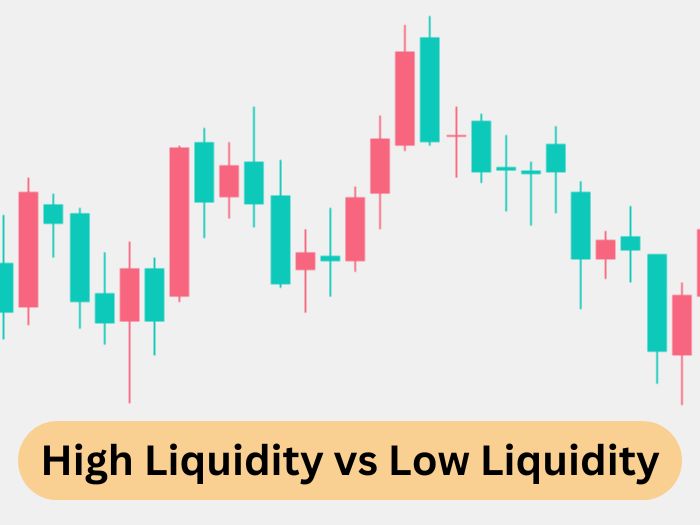
High Liquidity vs Low Liquidity
In forex trading, liquidity plays a crucial role in how smoothly the market operates. Understanding the difference between high liquidity and low liquidity can help traders avoid unnecessary risks and trade more efficiently.
High liquidity occurs when a large number of buyers and sellers are actively participating in the market. This is commonly seen in major currency pairs such as EUR/USD, GBP/USD, and USD/JPY, especially during the London and New York trading sessions. In high-liquidity conditions, trades are executed quickly, spreads remain tight, and price movements are generally smooth and predictable. This makes high-liquidity markets ideal for beginners, scalpers, and day traders who rely on precise entries and exits.
On the other hand, low liquidity occurs when there are fewer market participants. This situation is often found in exotic currency pairs or during off-market hours, such as late in the Asian session. In low-liquidity conditions, spreads widen significantly, execution becomes slower, and prices can move sharply with very little volume. As a result, traders may experience slippage, where trades are filled at worse prices than expected.
The main risk of low liquidity is unpredictability. A small order can cause a large price movement, triggering stop-losses or creating false breakouts. This environment can be especially dangerous for inexperienced traders who are not prepared for sudden volatility.
In summary, high liquidity provides stability, lower costs, and better trade execution, while low liquidity increases risk and trading expenses. For consistent results, traders should focus on high-liquidity pairs and trade during active market sessions. Understanding this difference is a simple but powerful step toward smarter forex trading.
High Liquidity Currency Pairs
These are called major pairs, such as:
- EUR/USD
- GBP/USD
- USD/JPY
They offer:
- Tight spreads
- Stable price movement
- Low trading costs
Best for beginners and day traders.
Low Liquidity Currency Pairs
Usually exotic pairs, like:
- USD/TRY
- USD/ZAR
- USD/INR
They often have:
- Very wide spreads
- High slippage
- Sudden price spikes
These are risky, especially for new traders.
Liquidity and Bid-Ask Spread
The spread is one of the clearest signs of liquidity.
- High liquidity → tight spread
- Low liquidity → wide spread
Example:
- EUR/USD spread: 0.2–1 pip
- Exotic pairs: 20–50 pips
A wider spread increases your trading cost before the trade even starts.
Liquidity and Slippage Explained
Slippage happens when your order executes at a worse price than expected.
Slippage increases when:
- Liquidity is low
- Market moves too fast
- Major news is released
High liquidity reduces slippage because there are enough orders available at each price level.
Best Forex Trading Sessions for Liquidity
Liquidity changes based on global trading sessions.
Major Forex Sessions
- Asian Session
- London Session
- New York Session
Best time to trade:
London–New York overlap
During this period:
- Volume is highest
- Spreads are lowest
- Price moves are cleaner
Liquidity vs Volatility ,Know the Difference
Many traders confuse these two concepts.
- Liquidity = ease of trading
- Volatility = size of price movement
You can have:
- High liquidity + high volatility (news time)
- High liquidity + low volatility (range market)
- Low liquidity + high volatility (danger zone)
The last one is where most traders lose money.
Liquidity in Major, Minor, and Exotic Pairs
- Major pairs: highest liquidity, lowest risk
- Minor pairs: moderate liquidity
- Exotic pairs: low liquidity, high risk
Beginners should focus only on major pairs.
Read this also- How to Trade Forex in India 2026 -Full Guide
How Smart Money Uses Liquidity
Institutional traders look for liquidity pools, not indicators.
Liquidity often sits:
- Above equal highs
- Below equal lows
- Near obvious stop-loss zones
Price often moves there first to collect liquidity, then reverses.
This explains many fake breakouts and stop-loss hunts.
Liquidity and Order Types
- Market orders: best in high liquidity
- Limit orders: safer during low liquidity
- Stop orders: risky when liquidity is thin
Always match your order type with market liquidity.
Liquidity During News Events
Before high-impact news:
- Liquidity drops
- Spreads widen
During release:
- Volatility explodes
After news:
- Liquidity returns
Beginners should avoid trading during major news events.
Common Liquidity Mistakes Traders Make
- Trading during low-volume hours
- Ignoring spread widening
- Trading exotic pairs
- Overusing market orders
Avoiding these mistakes alone can significantly improve results.
Forex Liquidity vs Stock Market Liquidity
Forex Market
- 24/5 trading
- Extremely liquid
- Fast execution
Stock Market
- Limited hours
- Liquidity depends on the stock
This is why forex is popular among short-term traders.
Conclusion: Why Liquidity Is a Game Changer in Forex
Liquidity is not an advanced concept—it is a basic survival skill in forex trading.
When you understand liquidity:
- Your trades become cleaner
- Your losses reduce
- Your confidence improves
Most traders chase indicators. Professional traders respect liquidity.
If you want consistent results in forex, always ask one question before entering a trade:
Is there enough liquidity here?
FAQs
What is liquidity in forex trading?
Liquidity in forex means how easily a currency pair can be bought or sold without causing large price changes.
Why is forex considered highly liquid?
Forex has the highest daily trading volume in the world, with millions of buyers and sellers active at all times.
Which forex pairs have the highest liquidity?
Major pairs like EUR/USD, GBP/USD, and USD/JPY have the highest liquidity.
Is low liquidity bad for trading?
Low liquidity increases spreads, slippage, and risk, making trading more difficult—especially for beginners.
What is the best time to trade forex for liquidity?
The London–New York session overlap offers the highest liquidity and best trading conditions.