
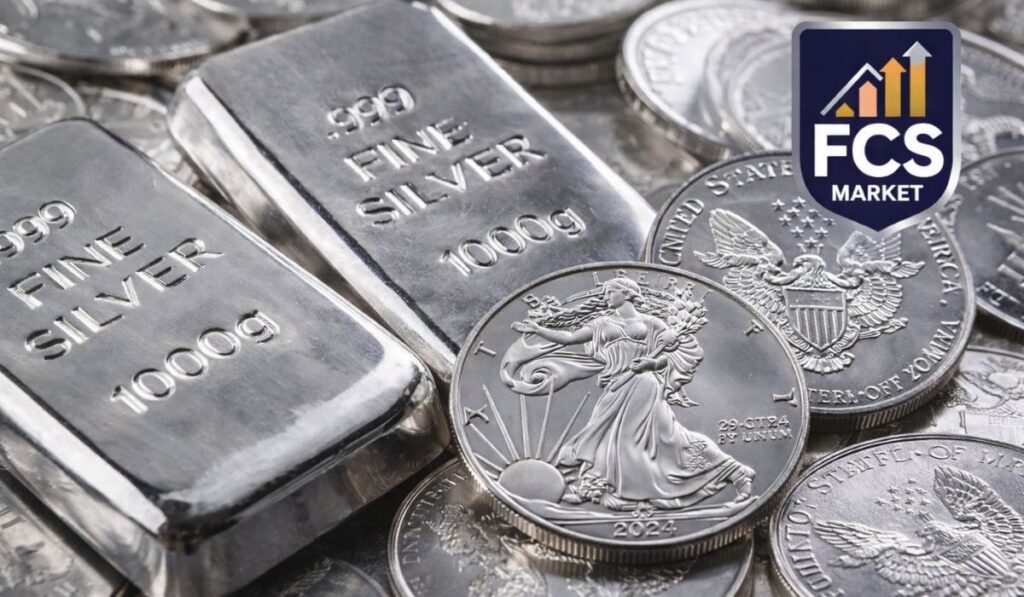
Silver Price Action Enters a Consolidation Phase
Silver price action: The chart shows silver futures moving higher through a series of measured advances rather than a single […]
Forex trading, also known as foreign exchange trading, is the process of buying and selling currencies to make a profit. It is the largest financial market in the world, with a daily trading volume of over $6 trillion. Unlike stock markets, the forex market operates 24 hours a day, five days a week, making it highly accessible for traders across the globe.
The forex market is a global marketplace where currencies are exchanged. Traders speculate on the price movements of currency pairs such as EUR/USD, GBP/USD, USD/JPY, and many more. When you trade forex, you are essentially predicting whether one currency will strengthen or weaken against another.
Forex trading always involves currency pairs. The first currency is called the base currency, and the second is the quote currency. For example, in EUR/USD, EUR is the base currency, and USD is the quote currency.
If you believe the euro will rise against the dollar, you buy the pair. If you think it will fall, you sell it. Profits or losses depend on price movement and position size.
Forex pairs are categorized into three types:
Beginners usually start with major pairs because they are more stable and predictable.
To trade forex effectively, you must understand some basic terms:
These concepts directly impact profit, loss, and risk management.
Forex trading offers several advantages:
These benefits make forex attractive to both beginners and professional traders.
While trading has benefits, it also carries risks:
Risk management and proper education are essential for long-term success.
Traders use different strategies based on experience and time availability:
Choosing the right strategy depends on your personality and goals.
Successful trading requires continuous learning. Understanding technical analysis, fundamental analysis, and trading psychology helps traders make better decisions. Using demo accounts before trading real money is highly recommended for beginners.
Trading is a powerful financial opportunity when approached with the right knowledge and discipline. It offers flexibility, global access, and profit potential, but it also involves risk. By learning the basics, managing risk properly, and staying consistent, traders can build a strong foundation in the forex market. Remember, forex is not a get-rich-quick scheme—it is a skill that improves with time, practice, and patience.
Silver price action: The chart shows silver futures moving higher through a series of measured advances rather than a single […]

Gold Price Action : Gold’s recent movement against the US dollar reflects a market that is active, yet far from

Silver intraday chart shows a market that has already made its statement and is now taking a pause. The price

The chart shows gold priced against the US dollar on an hourly timeframe, and the first thing that stands out

Bitcoin Price Prediction 2026–2030: Bitcoin is no longer just a buzzword or a risky internet experiment. Bitcoin Price Prediction 2026–2030:
When forex market open in India 2026 : If you’re a beginner or even an intermediate trader in India, understanding
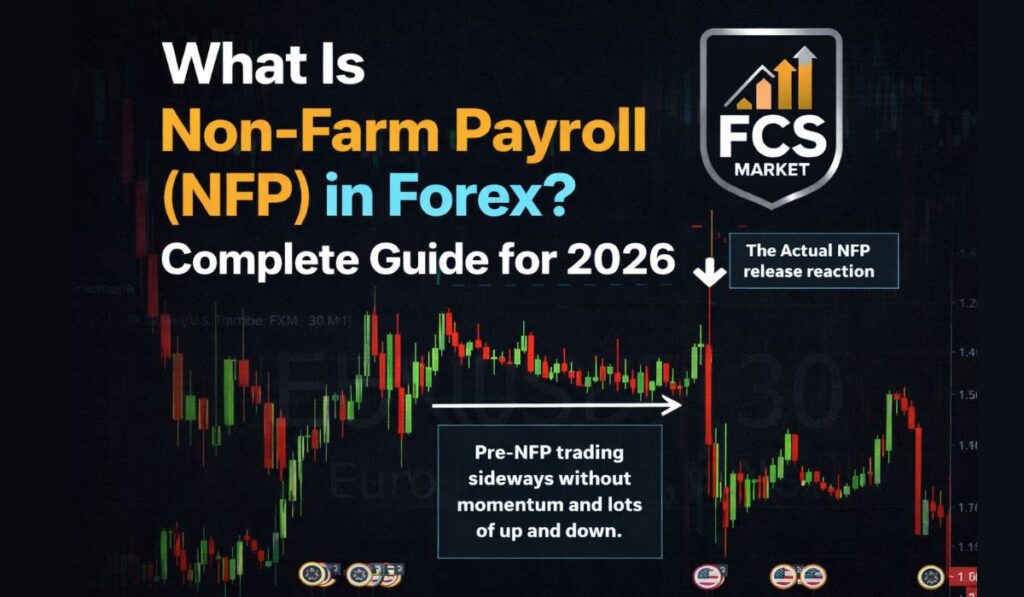
What is non farm payroll forex 2026: If you’ve ever opened a forex chart on the first Friday of the

How to start forex trading in 2026: Forex trading in 2026 is not what it used to be five or
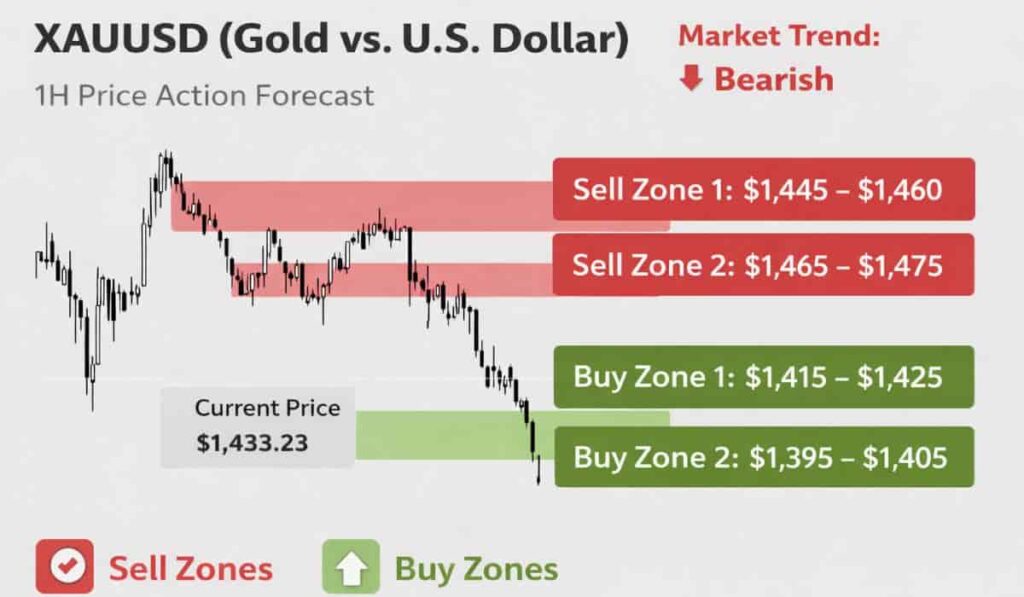
XAUUSD Daily Forecast Today : Gold (XAUUSD) remains one of the most actively traded assets in the global financial markets,
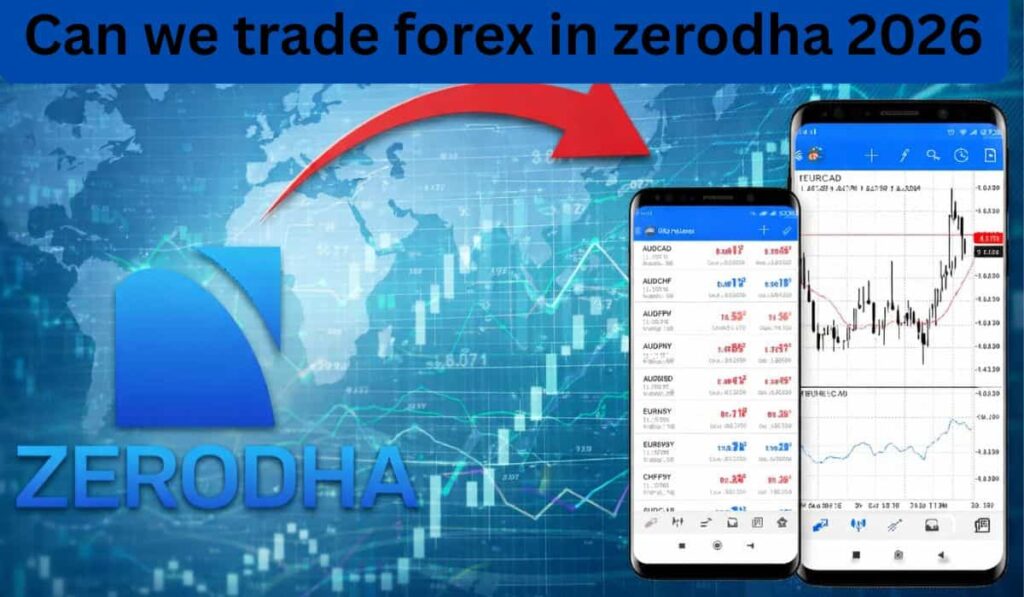
Can we trade forex in zerodha 2026: If you’re an Indian trader and you’ve ever searched “can we trade forex