
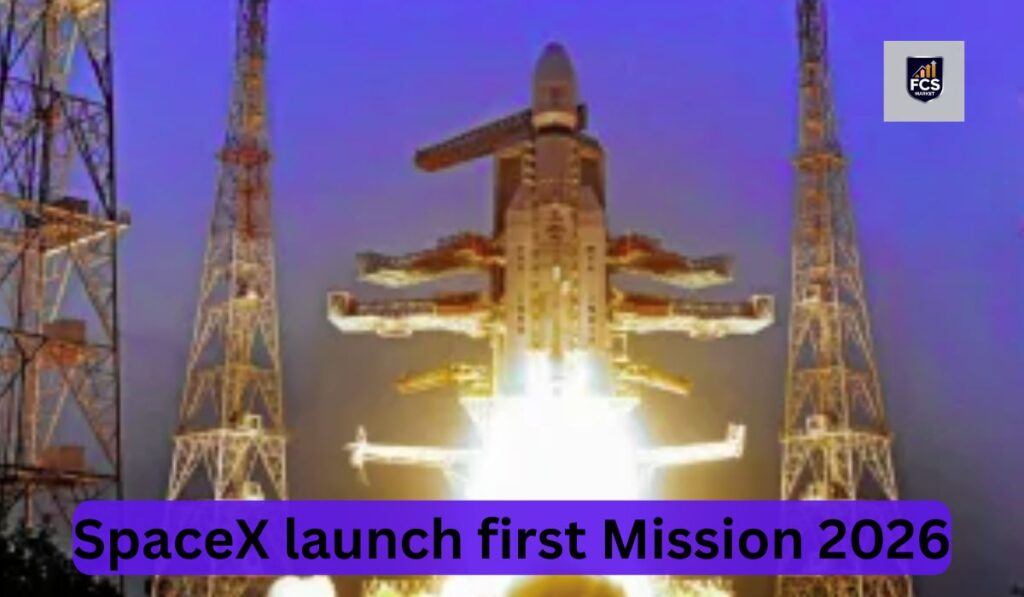
SpaceX launch first Mission 2026: In a spectacular nocturnal ascent, SpaceX propelled the COSMO-SkyMed Second Generation mission into the cosmos on the evening of January 2, 2026, at precisely 9:09 PM ET.
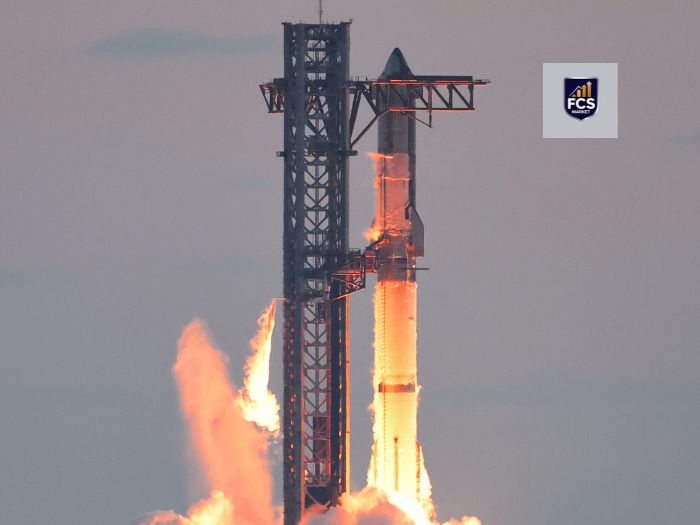
The Falcon 9 rocket, an emblem of modern aeronautical prowess, soared skyward from Vandenberg Space Force Base in California. Local observers marked liftoff at 6:09 PM PST (0209 GMT on January 3). Nestled within its payload bay was an Italian Earth-observing satellite, poised to unveil new dimensions of planetary surveillance.
SpaceX launch first Mission 2026: Countdown and Liftoff Details
True to choreography, the Falcon 9’s initial stage gracefully returned to Earth approximately 8.5 minutes post-launch—a historic 21st voyage for this particular booster. Mere moments later, 4.5 minutes into the ascent, the second stage released the COSMO-SkyMed Second Generation satellite into a low Earth orbit, commissioned by the Italian Space Agency alongside the Italian Ministry of Defence.
From an altitude of 385 miles (620 kilometers), this satellite is destined to scrutinize our planet using synthetic aperture radar. Its all-weather, round-the-clock observation capabilities promise an unprecedented torrent of terrestrial data.
SpaceX launch first Mission 2026, Overview and Strategic Intent
The COSMO-SkyMed Second Generation constellation is a compact yet potent network engineered to “survey the Earth for preventive strategies, strategic intelligence, and commercial utilities, providing actionable insights on a planetary scale,” according to the European Space Agency.
Practical implementations of this intelligence are extensive, spanning risk management cartography, forest and environmental conservation, natural resource scouting, territorial oversight, defense and security operations, and the stewardship of agricultural and food systems.
To date, three satellites from this series have been lofted: the inaugural unit in December 2019 aboard a Soyuz rocket, followed by a second in January 2022 on a Falcon 9. This latest launch marks not only SpaceX’s first foray into 2026 but also signals the first orbital endeavor for the global launch ecosystem this year.
SpaceX’s Unparalleled Ascendancy in 2025
The meteoric pace of SpaceX in 2025 was nothing short of extraordinary. Under Elon Musk’s stewardship, the company accomplished a staggering 165 orbital missions—outstripping any government or commercial competitor. This record-breaking cadence has set an audacious benchmark, and SpaceX now approaches 2026 with ambitions that may redefine spaceflight achievements once again.
SpaceX: How Elon Musk is Changing the Way We Explore Space
When you think about space, rockets, and exploring other planets, SpaceX is probably the first name that comes to mind. But what exactly is SpaceX, and why does everyone from tech enthusiasts to traders keep talking about it? Whether you’re a beginner curious about space or an intermediate enthusiast trying to understand the industry, this guide will explain everything about SpaceX in a simple, human-friendly way.
What is SpaceX?
SpaceX, or Space Exploration Technologies Corp., is an American aerospace company founded in 2002 by Elon Musk. Its main goal? Make space travel affordable, reliable, and eventually, help humans live on other planets.
Read this also- What Is Liquidity in Forex 2026
Unlike traditional space agencies, SpaceX is privately owned, which gives it the freedom to innovate quickly and take risks that government programs usually can’t. From reusable rockets to satellite internet, the company is redefining what’s possible in space.
Why SpaceX Matters
SpaceX isn’t just building rockets; it’s shaping the future of humanity. Here’s why:
- Mars colonization: Elon Musk believes humans need to be multi-planetary to survive long-term.
- Affordable launches: Rockets that can be reused drastically lower the cost of space travel.
- Global connectivity: Through its Starlink satellites, SpaceX aims to bring internet to every corner of the planet.
For traders, investors, and space enthusiasts, SpaceX represents innovation, opportunity, and vision.
Read this also- How to Trade Forex in India 2026 -Full Guide
A Quick Look at SpaceX History
SpaceX’s journey hasn’t been easy. In the early years, failure was a real possibility.
The Early Days (2002–2008)
- Falcon 1 was SpaceX’s first rocket. Its initial launches failed, but by 2008, Falcon 1 successfully reached orbit—a historic moment for private spaceflight.
Partnering with NASA
SpaceX partnered with NASA’s Commercial Orbital Transportation Services (COTS) program to deliver cargo to the International Space Station (ISS). The Dragon spacecraft became the first private vehicle to dock with the ISS, paving the way for future crewed missions.
SpaceX Rockets and Spacecraft Explained
SpaceX has a few signature rockets and spacecraft that you should know about:
Falcon 1
- The first private orbital rocket, proving SpaceX could compete with established space agencies.
Falcon 9
- Reusable rocket, designed to reduce launch costs.
- Famous for its first-stage booster landing, sometimes on drone ships in the ocean.
Heavy
- One of the most powerful rockets in operation, capable of carrying heavy cargo and even interplanetary missions.
Starship
- SpaceX’s next-generation rocket, designed for Mars colonization.
- Fully reusable and can carry up to 100 passengers.
Dragon Spacecraft
- Crew Dragon: Transports astronauts.
- Cargo Dragon: Supplies equipment and cargo to the ISS.
SpaceX Achievements You Should Know
SpaceX has made history more than once:
- First private company to reach orbit (Falcon 1, 2008).
- First private cargo delivery to the ISS (Dragon, 2012).
- First private crewed mission (Crew Dragon, 2020).
- Starlink satellite network, providing global internet coverage.
Starlink: SpaceX’s Game-Changer
Starlink is SpaceX’s satellite internet service. The idea is simple but revolutionary: send thousands of small satellites into low Earth orbit to provide high-speed internet anywhere.
- Over 5,000 operational satellites in orbit.
- Can connect remote and rural areas where traditional internet is unreliable.
- Generates revenue that helps fund ambitious projects like Mars missions.
How SpaceX is Changing the Space Industry
SpaceX has disrupted traditional spaceflight in several ways:
- Lower launch costs: Reusable rockets make space more affordable.
- Private space travel: Companies and individuals can now access space.
- Faster innovation: Rapid prototyping allows SpaceX to test and improve rockets quickly.
SpaceX and Investments
Even though SpaceX is not publicly traded, it influences the stock market:
- Companies working with SpaceX, like Lockheed Martin and L3Harris, are affected by its success.
- Investors watch Starlink revenue as a potential future IPO game-changer.
- Some private investors access SpaceX shares via secondary markets.
The Future of Space with SpaceX
What’s next for SpaceX? The company’s vision is bold and long-term:
- Mars colonization within a couple of decades.
- Expansion of Starlink, connecting more regions worldwide.
- Commercial space travel, making it more accessible to non-astronauts.
SpaceX isn’t just launching rockets; it’s launching a new era for humanity.
FAQs About SpaceX
Q1: Who owns SpaceX?
A: Elon Musk is the founder and CEO.
Q2: Can you invest in SpaceX?
A: It’s private, but pre-IPO shares are sometimes available.
Q3: What is Starlink?
A: A satellite network providing high-speed internet globally.
Q4: Has SpaceX sent humans to space?
A: Yes, Crew Dragon began transporting astronauts to the ISS in 2020.
Q5: Why is SpaceX important?
A: It reduces space costs, enables private space travel, and works toward colonizing Mars.
Conclusion
SpaceX launch first Mission 2026SpaceX is more than a company—it’s a vision. By making rockets reusable, launching satellites, and sending humans to space, SpaceX is reshaping the future of exploration and technology. Whether you’re an investor, trader, or just someone fascinated by the stars, understanding SpaceX gives you a glimpse into the next frontier of human innovation.